
In 2026, the Canadian retail landscape is defined by a widening economic gap and rapid technological shifts. For the vending industry, this has created a split market where success depends on location and target demographics. High income shoppers in urban centers like Toronto and Vancouver are driving growth in luxury micro markets that offer fresh meals and gourmet coffee.
These affluent consumers prioritize immediate quality over cost, making premium automated kiosks a profitable venture in corporate offices and high end residential buildings.
At the same time, a significant portion of the population is facing financial pressure from high housing costs and trade tariffs. This group has pivoted toward intentional value, favoring discount retailers and private label products.
Vending operators in transit hubs and schools are adapting by stocking more affordable snack options to capture these budget conscious sales. While luxury kiosks thrive on high margins, traditional machines now rely on high volume and competitive pricing to remain viable against local dollar stores.
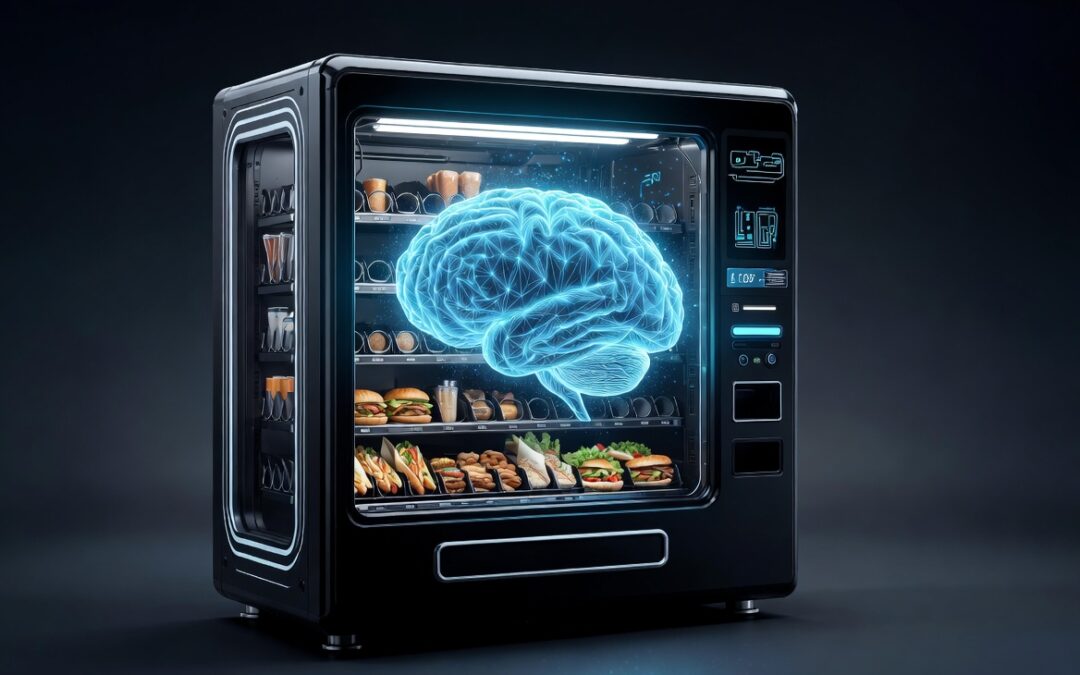
Moreover, Artificial Intelligence has become a critical operational tool for managing these diverse demands. Canadian firms now use AI agents to automate restocking routes and predict local inventory needs, which can reduce labor and fuel costs by up to 20 percent. Some advanced machines also use dynamic pricing to adjust costs in real time based on inventory levels or time of day. However, the high price of hardware remains a barrier for small businesses, as fully integrated smart kiosks can cost up to $14,000.
The surge in same day delivery services has also forced vending operators to defend their market share. With rapid delivery apps now active four times daily in major cities, vending machines must leverage their physical presence in the last 100 feet of a customer’s journey. By placing units in locations like hospital floors or gym locker rooms, operators can provide an immediacy that even the fastest delivery apps cannot match.
This hyper local strategy, combined with the growing popularity of warm food options like sandwiches and wraps, remains the primary defense for the industry in 2026.