
Smart Markets & Micro Markets for Offices and Corporate Buildings in Moncton, NB
Modern, self-serve retail spaces designed for offices and corporate buildings in Moncton, delivering fresh food, snacks, and beverages without traditional vending limits. Vending Canada installs and manages secure, cashless markets that fit your space, support flexible access, and keep employees fuelled throughout the day. If you want a convenient, scalable refreshment solution that runs smoothly with minimal oversight, we’re ready to set it up.

Industry-Leading Machines
Years of Experience
Turnkey Setup & Support
How Smart Markets & Micro Markets for Offices and Corporate Buildings in Moncton, NB Are Delivered
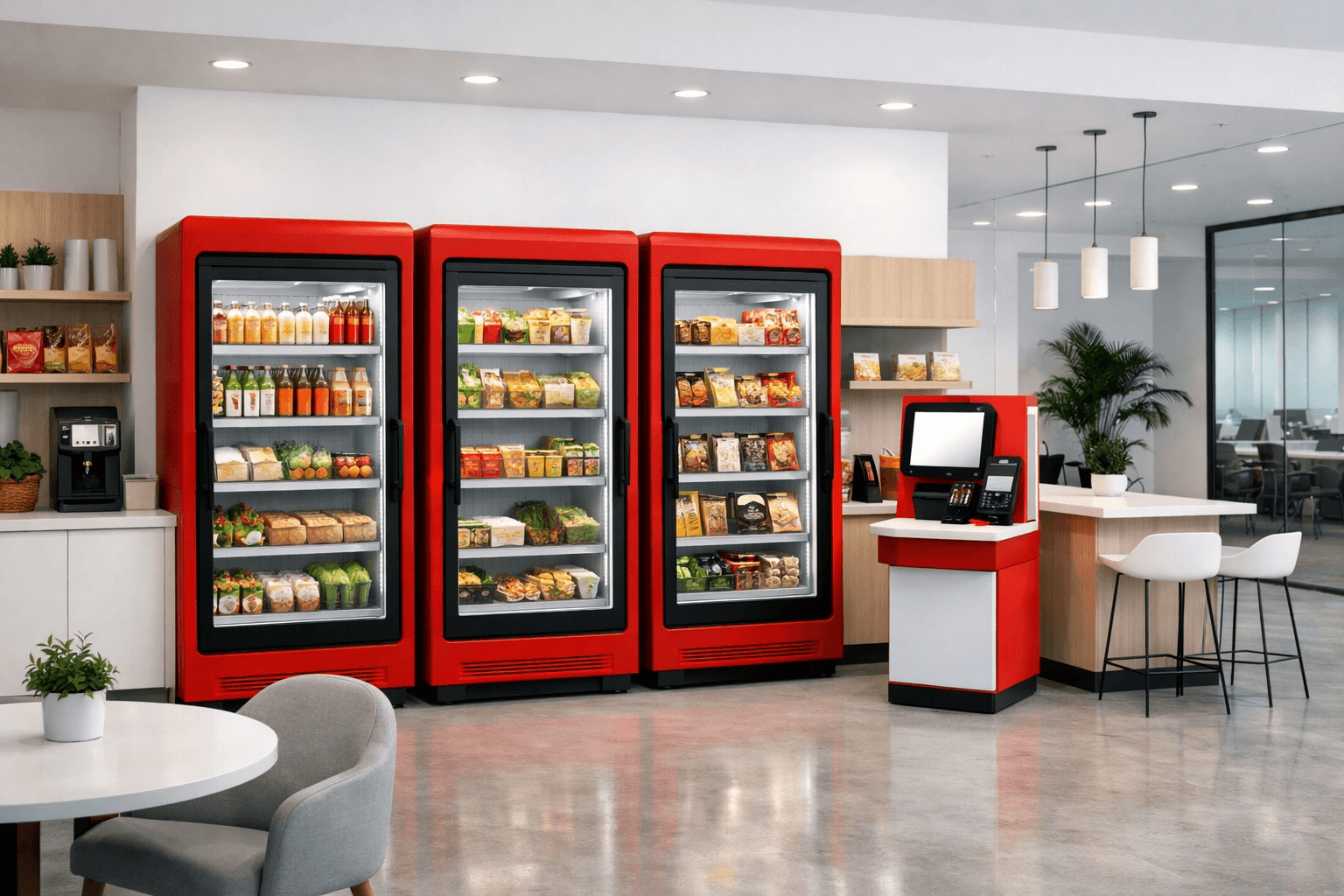
Each project begins with a site review to assess space, power, traffic flow, and security. Layouts are drafted to position shelving, coolers, and kiosks for clear sightlines and efficient movement. Equipment includes glass-door refrigerators, ambient racks, and a touch or app-based payment system with cashless options. Installation covers electrical connections, anchoring, and configuration of inventory tracking. After launch, routes are set for restocking, cleaning, and performance checks, with product mixes refined using sales data.
Smart Micro Market Solutions for Moncton Workplaces
These unattended retail spaces combine open shelving, refrigerated cases, and smart payment kiosks to create a small in-house store. They are tailored to building size, traffic patterns, and user preferences, with layouts that maximise flow and visibility. From compact break areas to full room conversions, each installation is planned for efficient use and consistent restocking.
Office Breakrooms and Staff Lounges
Transform underused breakrooms into curated food hubs with chilled meals, fresh options, and premium snacks. Staff can browse, select, and check out in seconds, reducing queues and improving daily convenience. The setup supports varied schedules and keeps options available beyond standard service hours.
Corporate Buildings and Multi-Tenant Sites
Shared buildings benefit from a central market that serves multiple tenants with controlled access and clear usage tracking. Product ranges can be adjusted by tenant profile, and the layout can scale as occupancy changes. This approach supports consistent service without dedicating staff to on-site retail.
Healthcare, Education, and High-Traffic Environments
Facilities with round-the-clock activity gain reliable access to meals and drinks without relying on fixed cafeteria hours. Refrigerated cases maintain quality, while smart kiosks handle secure payments. The result is steady availability that matches varied shifts and peak periods.
Remote or Limited-Service Locations
Sites without nearby retail options benefit from a self-contained market that reduces the need for off-site trips. Stock is planned around demand data, ensuring popular items remain available. This improves on-site productivity and supports teams working in isolated or industrial settings.
Why Quality Smart Market Installations Perform Better
Long-Term Convenience and Reliable Operation
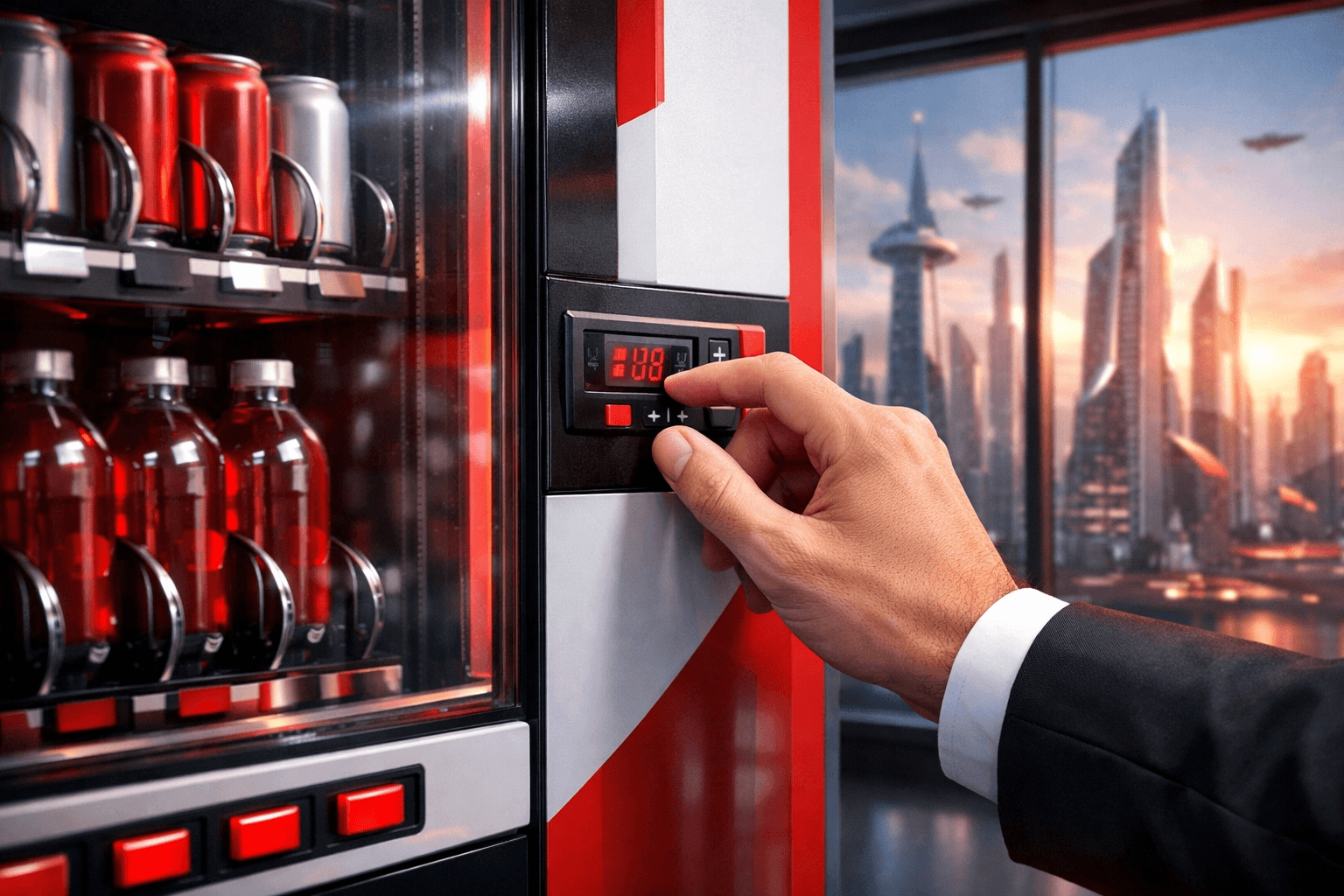
Well-executed installations prioritise layout, refrigeration performance, and secure, intuitive checkout. Durable fixtures and commercial-grade coolers maintain product quality, while telemetry supports timely restocking. The result is consistent availability, accurate transactions, and a user experience that encourages regular use.
Why Quality Smart Market Installations Perform Better
Long-Term Convenience and Reliable Operation
Well-executed installations prioritise layout, refrigeration performance, and secure, intuitive checkout. Durable fixtures and commercial-grade coolers maintain product quality, while telemetry supports timely restocking. The result is consistent availability, accurate transactions, and a user experience that encourages regular use.
Why People Trust Vending Canada
- Kevin Koster
- Sophia H.
Frequently Asked Questions
What space is required for a micro market?
Setups range from a compact wall section to a dedicated room. A typical configuration needs power, stable flooring, and enough clearance for coolers and a kiosk. Layouts are customised to fit available space without disrupting circulation.
How are payments handled?
Customers use a self-checkout kiosk or mobile app with tap, card, or digital wallets. Systems record items and process transactions instantly, with options for account-based access in corporate environments.
How often is the market restocked?
Restocking is scheduled based on usage data and site traffic, often multiple times per week for busy locations. Inventory levels are monitored remotely to keep high-demand items available.
Planning and Expectations
Expect a straightforward rollout with minimal disruption, from site assessment to live operation. Timelines depend on layout and electrical readiness, but most installations are completed quickly. Product selection is refined after launch using real sales data, ensuring the market stays relevant and well-stocked over time.