
Fresh & Healthy Food Services for Warehouses and Industrial Facilities in Metro Vancouver, BC
Reliable access to fresh meals and better snack options keeps warehouse and industrial teams in Metro Vancouver fuelled and focused. This service delivers curated food programs designed for active work environments, combining quality, convenience, and consistent restocking. From ready-to-eat meals to nutritious snacks, each setup supports productivity without interrupting operations. Connect with Vending Canada to bring practical, healthy food access directly to your facility.

Industry-Leading Machines
Years of Experience
Turnkey Setup & Support
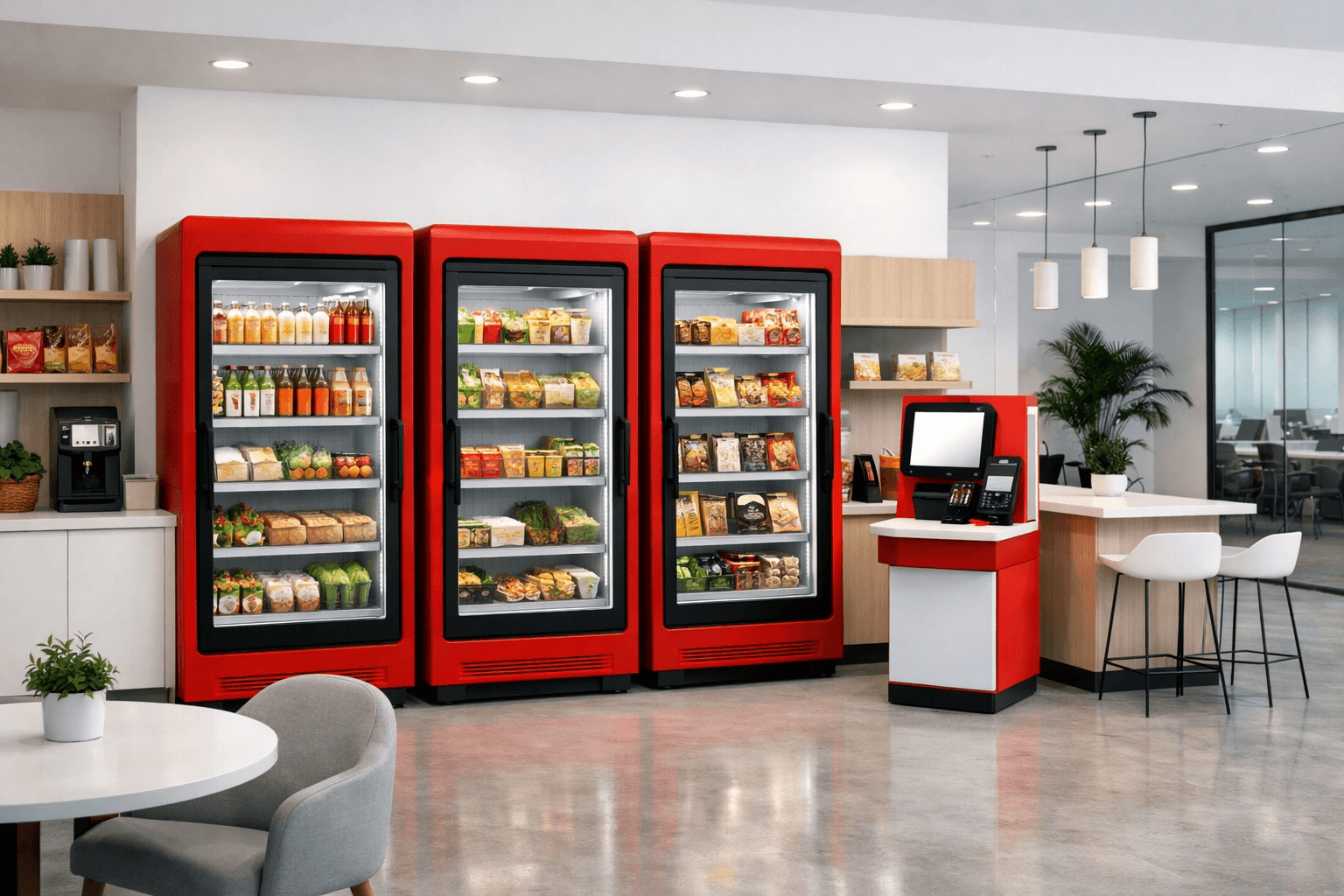
How Food Services Are Implemented in Industrial Settings
The process begins with a site assessment to determine placement, power access, and traffic flow. Equipment is selected based on capacity and product type, including refrigerated units and smart vending machines. Products are sourced from trusted suppliers, focusing on freshness and shelf stability where needed. Installation is handled with minimal disruption, followed by scheduled restocking, inventory tracking, and ongoing adjustments based on usage data.
Food Solutions Designed for Industrial Workplaces
This service provides structured food access tailored to the pace and layout of warehouses and industrial facilities. It combines modern vending equipment, fresh product sourcing, and efficient replenishment cycles. Each installation is planned to suit shift patterns, workforce size, and available space, ensuring reliable access throughout the day.
On-Site Refrigerated Meal Stations
Refrigerated units are stocked with fresh meals such as salads, wraps, protein boxes, and ready-to-heat options. These units maintain proper temperature control and are ideal for facilities with limited kitchen space.
Smart Vending for Healthy Snacks
Modern vending machines offer a range of better-for-you snacks including low-sugar, high-protein, and whole-food options. Cashless payment systems streamline access and reduce downtime during breaks.
Breakroom Food Programs for Shift Workers
Food availability is aligned with rotating shifts, ensuring consistent access during early mornings, evenings, and overnight operations. Stocking schedules are adjusted based on usage patterns.
Custom Layouts for Large Facilities
Large warehouse environments benefit from multiple access points placed strategically across the floor. This reduces congestion and keeps food within easy reach for staff across departments.
Consistent Quality and Operational Efficiency
<h3>Reliable Access to Fresh Options</h3>
Consistent restocking and product rotation ensure freshness and variety. Employees have dependable access to balanced food choices without leaving the site or relying on external vendors.
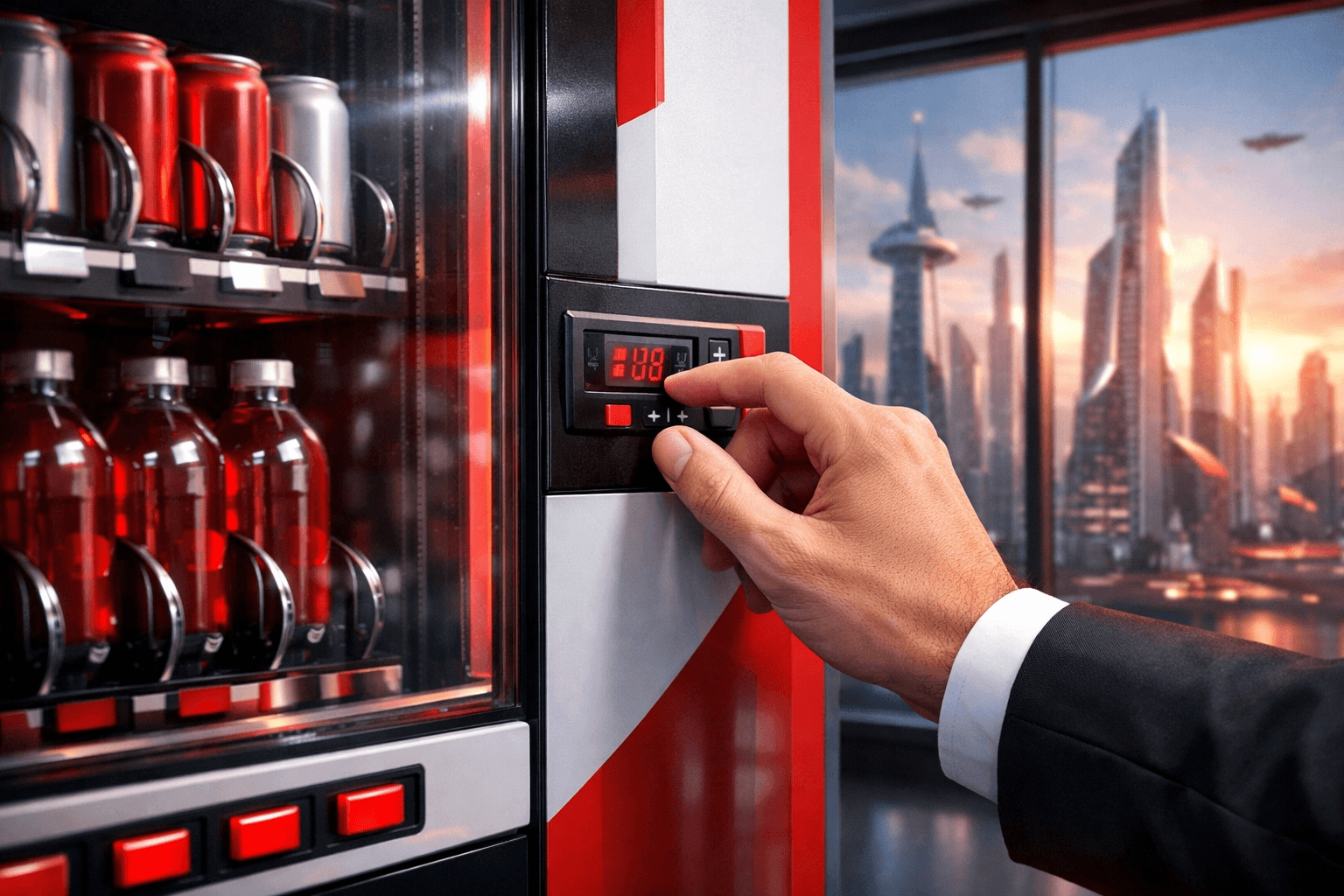
Consistent Quality and Operational Efficiency
<h3>Reliable Access to Fresh Options</h3>
Consistent restocking and product rotation ensure freshness and variety. Employees have dependable access to balanced food choices without leaving the site or relying on external vendors.
Why People Trust Vending Canada
- Kevin Koster
- Sophia H.
Common Questions About Food Services for Industrial Facilities
What types of food are typically provided?
Offerings include fresh meals like salads and wraps, high-protein snacks, beverages, and healthier packaged items. Selections are adjusted to match workforce preferences and dietary trends.
How often are machines restocked?
Restocking frequency depends on usage levels, but most facilities receive multiple weekly visits. High-traffic sites may require more frequent service to maintain availability.
Can the selection be customised?
Yes, product mixes are tailored based on employee feedback, consumption patterns, and operational needs. Adjustments are made regularly to keep options relevant and appealing.
Service Expectations and Key Considerations
Facilities can expect a fully managed service that includes installation, product sourcing, maintenance, and restocking. Equipment is maintained for reliability, and product selection evolves over time. Planning considers workforce size, shift timing, and space constraints to ensure practical integration. This approach supports consistent access to quality food without adding operational burden.